UK cloud rap is actually banging in 2025
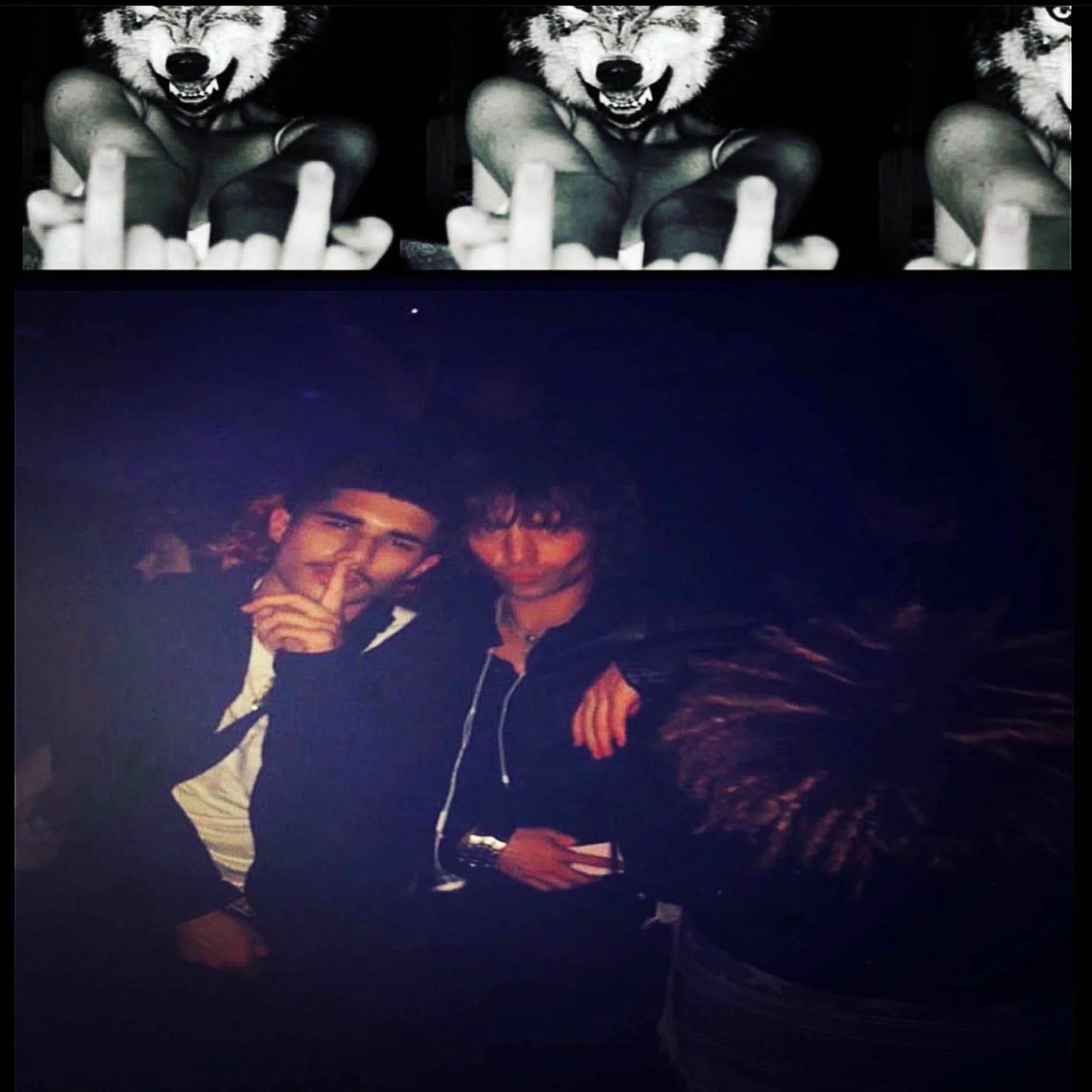
Cover of Fakemink’s “London Saviour” (2023) © EtnaVeraVela
Like many zillenials, I remember precisely where I was when the first wave of cloud rap hit its peak in 2016. This wave of rap music was brewing since the late 2000s, but really gained mainstream attention in the early 2010s. When we think about the most important creators of this era we think about: pioneer Bones who was doing this kind of music way before the rest with his ground-breaking full-length debut ”Scumbag” (2013), Yung Lean with his viral singles ”Ginseng Strip 2002” & ”Kyoto” (both released in 2013), Lil Peep’s & Lil Tracy’s collaboration ”witchblades” (2017), that mesmerised the whole generation, and Juice WRLD whose phenomena I never fully understood but credit needs to be given here for being the most commercially successful out of the mentioned artists.
I believe that Peep’s status as a cultural icon is best shown in my favourite scene from ”Everybody’s Everything” (which is a posthumous documentary about his life):
Back when all of this stuff was happening, I was a young lad transitioning from high school in Bydgoszcz to uni in London, about the commit the most devastating breakup of my life that coincided with Lil Peep’s untimely passing in 2017. The first wave of cloud rap became my go-to soundtrack during those difficult times, as at its core it’s a music for disillusioned drug-fuelled youth, which is precisely who I was in 2016-2019. I’m mentioning all of this private information as I’ve noticed in the social media space that many people my age have really vivid and really specific memories of where and who they were at this moment in rap history (I encourage sharing these via comments, as I’m sure there’s plenty of interesting stories connected to this music).
The first wave of cloud rap was incredibly varied as a rap subgenre. Bones and his Sesh collective were mostly inspired by southern hip-hop (Three 6 Mafia is the most obvious influence to name here), Yung Lean and Drain Gang were swimming in the Y2K nostalgia, while both Lil Peep and Juice WRLD were mostly driven by emo/pop-punk inspirations. Some time ago, I was listening to Lean or Bones with my friend Mikołaj, and what hit us was ”it was so fresh in the 2010s, so cutting-edge in terms of sound, so DIY in its roots”. The common ground to all rappers creating in this subgenre was: ethereal synths, beats that were reverbed into oblivion, leaning into melody instead of a breakneck speed of rapping, and a grassroots approach to building a following. What I mean by this last statement is that all of the aforementioned creators were releasing their music for free on SoundCloud, and this caused a formation of cult-like following around these artists, which is way too rare among musicians pushed on top 100 lists controlled by big music labels. The wave eventually came to an end as Lil Peep’s and Juice WRLD’s deaths (both caused by accidental overdose) resulted in a flood of copycat rappers trying to quickly capitalise on the gap in the market caused by the passing of these two larger-than-life personas. BTW. I believe that the aftermath of these events can sadly still be heard in the way many Polish rappers sound today, as in my homeland, we’re way too eager to mindlessly copy anything that is or was (usually was) viral in the US.
That’s a hell of a lengthy intro, but to be fair, on this blog, I’m writing about anything that I’m passionate about. Anyway, the year is 2025, and I’m no longer disillusioned or drug-fuelled, but a young adult trying to adapt to the corporate collapse of Western civilisation. At the same time, something is brewing in the UK, something new, something for the next generation of wasted youth to navigate towards their place in the world. The rise of the second wave of cloud rap caught me off guard as I thought it was a one-off event. The marriage of influences this time is different, as instead of emo/pop-punk (which was driven into the ground by musicians like MGK), UK cloud rappers are taking parts of witch house and different types of fringe electronic and rap music (such as sigilkore, glitch core, and hexd). Everything is faster, still melodic, but faster. Running on chopped-up, often recognisable samples that were sped-up and pitched up or down is the most common denominator among this new branch of creators.
With this piece, I would like to present this emerging wave of music with a list of 10 tracks to get you into the UK cloud rap. Some of the artists of this glitchy sample-based revolution are actively knocking on mainstream doors while others are still polishing their sound in the rap underground. For clarification, it’s not a ranking; I use the listicle formula to present these varied sounds in a clear way. Without further ado, let’s dive into the rabbit hole of Y2K-obsessed, disillusioned kids making rap their own way.
#1 Fakemink ”Flavours” (2024)
”Shepard to the game, like that one bitch Cybil” the poster-boy of this emerging sound raps on his self-produced beat that very well could have appeared on the soundtrack of Need For Speed in the early 2000s. Fakemink’s ”Flavours” is a great starting point to get a grip on London’s underground hip-hop scene. It’s catchy, it’s incredibly well-produced for being recorded in a homemade studio, and most importantly, it shows the sharp wit of Fakemink as a lyricist. Despite being the central force of the cloud rap renaissance, he abstains from well-established labels and refuses to be forced into one drawer. He often defines his style as ”luxury rap”; what he means by that is using the everyday formula of rap and putting some ”bling” and flare on it. Think cigarette ash on Alexander McQueen pants, prestige and splendour meeting London’s messy nightlife. He’s been making beats since he was 10 (and it shows) and started rapping when he turned 14. He’s 20 now and was recently co-signed by Frank Ocean and mink’s die-hard role model Drake. When Clairo was asked who she listens to these days, she instantly gave a shout-out to Fakemink, and recently Timothee Chalamet was spotted at barricades during his London show. Give ”Flavours” a listen to understand how the UK’s cloud rap busiest boy (fifty singles released only in 2024, just wow) got to where he is now. You can also hear what he sounded like before the viral TikTok sensation of ”Easter Pink”. Fakemink pioneered the sound we’re speaking about in the same manner as Bones or Yung Lean did with the first wave of cloud rap; he made songs like this before that was even a thing.
#2 Feng ”XY” (2025)
Feng’s album ”What The Feng” lies in the trio of the most important projects of cloud rap renaissance alongside EsDeeKid’s ”Rebel” (2025) and Fakemink’s ”London Saviour” (2023). What makes him stand out is his ability to write simple and immediately relatable lyrics. ”XY” is a great example of that, as it’s a heartbreak song, and like almost everyone experienced that at some point in life. It’s a song about conflicting thoughts about the past partner and the inability to consider this relationship a closed chapter. When it comes to his flow, he’s quite close to the early work of Yung Lean with this laid-back, nonchalant manner of delivering lines. The beat is definitely more glitchy, punchy, and with a higher level of Y2K nostalgia than Lean’s work. This song is also a great case study on how to write a song about the fact that you miss her without sounding like a midwest-emo desperate (that is, in the middle of a mental breakdown). If you have enough time, listen to the whole album to understand his formula for rap, as well as his role as the third in command of this digital revolution.
#3 oopsy ”Dwarf” (2025)
”Girl, you couldn't be my shawty even if you were a dwarf. I’ll take you KFC, but you ain't worth Canary Wharf” oopsy raps on a chopped sample of Willow’s ”transparentsoul”, and that opening line should fully show you what makes him special. That is a very tongue-in-cheek approach to lyrics. In that manner, he is fairly reminiscent of what bbno$ and Yung Gravy are doing in the US. What I mean by that is constant humorous wordplay going on in the lyrics. That being said, the approach towards the musical aspect is fully loyal to the new cloud rap ethos straight from the UK. We can hear that in the beat-making layer as well as in the runtime itself, which oscillates around 1 minute, just like in the majority of Fakemink’s discography. I believe this compact approach to songwriting, sometimes even skipping the chorus altogether, comes from them zoomers knowing damn well the power of social media and algorithms alchemy. oopsy is still relatively underrated despite his first viral single in the form of ”Goomba” (another top-notch track), but I have an assumption that he will eventually get really big. Just like Fakemink he is incredibly busy when it comes to releasing new material. Another similarity between these two artists is their versatility and making it impossible to define their sound into a single subgenre. Give oopsy some love; he deserves it.
#4 EsDeeKid x Rico Ace ”Phantom” (2025)
All right, we had our laughs with oopsy, now let’s move to Liverpool, statistically one of the safer cities to live in England, to listen to some of the most sketchy and menacing music recorded in recent memory. EsDeeKid is a creator with an anonymity level that makes Daft Punk’s little charade look like child’s play, which is incredible for an artist with more than 11 million monthly listeners on Spotify. Lad doesn’t even have his Wikipedia page, and you can’t find his real name on the internet. ”Phantom”, his most successful single from his full-length debut ”Rebel” is a condensed essence of his style. An extremely in-your-face type of delivery, completely uncompromising lyrics inspired by the drug-dealing underworld of Liverpool, which, just like EsDeeKid’s face, is hidden well-deep in the shadows. In terms of the instrumental, it’s fairly similar to Playboi Carti’s most recent rage trap releases, but with a pinch of UK drill and witch house. What I mean by that is overall we’re operating on very low frequencies, eerie synths, and punchy distorted hi-hats. All of this, alongside EsDeeKid’s extremely characteristic Scouse accent, results in a listening experience unlike any other. It’s a storytelling straight from the street that makes even the likes of Kneecap look like a fairly innocent and family-friendly music. Rico Ace adds additional value to this track with his Skepta-like dynamic flow and cheeky lines about nightlife. Many parts of the drill culture have always seemed performative to me, but there’s something so raw, so real, and so dark in the atmosphere created by EsDeeKid and Rico Ace that one can’t simply ignore that.
#5 Fakemink ”Celebrity Deathmatch” (2023)
That’s the track that initially got me interested in the second wave of cloud rap. As a basis for his self-produced beat, Fakemink chose a fairly deep-cut sample that is ”Sacre coeur” by Tina Dico. The catchy and melancholic riff of the original has been significantly sped up, and the inclusion of syncopated percussion in 4/4 results in a track that is both moody and like a battle-cry anthem. Lyrically, Fakemink delivers unapologetic and very tongue-in-cheek verses about his importance to the modern rap game, as one can see in the opening lines:
“I'ma crash into the game like a meteor
Like a Christian man, yeah, I need Dior
I sing well in Celine, like Celine Dion
And I'm clingin' to the money, like a needy one”
Fakemink also pays homage to the song used as a sample by incorporating pitched-up vocals of Tina Dico as a bridge separating his verses. Thanks to this production choice, it sounds both like Alvin and the Chipmunks and an anime opening. Despite flexing with his wardrobe in the lyrics of this track, Fakemink remains in his characteristically bleak and fatalistic outlook on life, as it can be heard in the line:
”She ask me when I win? I reply like never”
Overall, it’s a really creative and fresh track coming from a project that paved the way for anything else on the following list. Fakemink often doubles the number of BPMs of this song while performing it live, which results in a machine-gun level speed of delivery, and an absolute mad reaction from the audience. It’s a spot-on track from top to bottom, one you need to hear at least once (or 168 times as I did this year).
As we don’t have any official visuals for this song, and I feel like that’s the song that deserves some I’m dropping a link to a stunning edit using clips from the movie Human Traffic created by the user dagchic. You’ve done some solid editing work, my man.
#6 hidingthehurt ”Sorry For Being Me” (2025)
The most emotional out of the representatives of the new wave of cloud rap is also one of the most bold and varied in terms of production. hidingthehurt whose real name is Ollie Greenhalgh, on ”Sorry For Being Me” sings us a melodic tale about an apologetic yet apathetic approach towards oneself. It’s an astounding, well-thought-out composition production-wise for an indie artist. ”Sorry For Being Me” is very moody, very catchy with a certain afterglow of the jungle genre in terms of tempo and handling of the sample. Lyrically, it perfectly encapsulates the feeling of waking up at the afterparty on Sunday and holding the weight of yesterday’s questionable choices. Like many of his contemporaries from this second wave of cloud rap, he’s very much a genre-bending creator, not limiting himself to one subgenre but using the influences of hyperpop, indie-rock, emo, and many branches of hip-hop culture. He deserves far more recognition than what he’s currently getting (less than 5k monthly listeners on Spotify), but I believe if hidingthehurt won’t slow down, great things are waiting for him.
#7 EsDeeKid x Fakemink x Rico Ace ”LV Sandals” (2025)
That’s the track that usually makes people go ”daaamn, those British lads go hard”. Heavily distorted vocals, snares, and haunting synths hit the listener from the very first seconds. Fakemink starts his chorus less than a second into the song, which is a fairly unorthodox choice, but that’s what the second wave of cloud rap is all about. The drum section is fairly reminiscent of drill, but that’s the only thing connecting this song to this genre, as the rest of the beat is much closer to witch house and rage. Distinctive flows of EsDeeKid, Fakemink, and Rico Ace blend seamlessly on this song, but we have to remember that it’s hardly the first collaboration for these creators. At the same time, it’s the defining song for the UK underground, one that really put all three parties involved in this song on the map. As a result, it also put the eyes of the world on the scene itself. Many people appreciate the use of the deep breath for rhythmization purposes; it’s fairly similar to what Fontaines D.C. did on ”Starburster”. This choice perfectly completes the claustrophobic and dangerous vibe of the whole composition. At the time of writing this piece, ”LV Sandals” holds over 60 million streams, and that really helped Fakemink and EsDeeKid enter the new chapter of their respective careers and fuelled their momentum in recent months. Overall, ”LV Sandals” is incredibly fresh and a way more aggressive take on rage trap than Playboi Carti’s latest output. The next big rap subculture is going to be British, and after ”LV Sandals” no one can argue with that. It’s the beginning of the superstar era for these artists, and they’ve been grinding for years to be where they are on this song.
#8 PureSnow ”Mirror” (2025)
Another rapper-producer on this list, and the youngest one as well. PureSnow was born in 2008 in London. He’s currently based in Brighton, just like Fakemink; he has been making beats for a while, and you can still find his old ”type beats” on his retired YouTube channel (prod.puresnow). He has been uploading tracks to streaming services only from this year and has attracted more than 400k monthly listeners on Spotify (many of these fans probably dating back to his SoundCloud/YouTube days), which really shows how booming the UK underground scene is at this moment. At its core,” Mirror” is a song about looking for identity, which is obviously really relevant to many people my age and younger. The beat is a majestic homage to alternative electronic acts like Crystal Castles, with its DIY, lo-fi, homemade production, as well as a homage to old cloud rap with its ethereal spacey synths reminiscent of Yung Lean’s music. PureSnow’s flow is much closer to the likes of Bones and Ghostemane. The sample is chopped in a really similar manner to what Feng is doing on his greatest hits. So, as we can see, PureSnow takes from a variety of influences, both old and new, to give us his personal twist on cloud rap. The way the track is mixed gives us a vibe of ascending into greatness, as well as being at life’s crossroads. There is something effortlessly cool about PureSnow’s music and his whole enigmatic rap persona, with a very scarce online footprint and rare interviews. I believe it’s only a matter of time before he reaches Esdeekid’s/Fakemink’s level of popularity, as he has all of the ingredients to separate himself from the rest.
#9 Feng ”XOXO” (2025)
”XOXO” is an intriguing single by Feng. Like many tracks in this subgenre of rap music, it runs on relatively high BPM (130 to be specific), but it’s written in the F#minor key, so that gives it Feng’s signature mellow, moody, and emotional undertone. Those creative choices illustrate another interesting feature of UK cloud rap: the contrasting nature of instrumental and lyrics. Even though the beat on ”XOXO” suggests it’s going to be a party anthem that is dug deeply in glittery Y2K pop nostalgia with its heavily processed synths reminiscing of early work by Ke$ha, it’s actually another bittersweet and bleak portrait of past love. When it comes to the lyrics, it’s almost like a response to the dilemmas of another Feng’s single on this list,”XY”. On ”XOXO,” Feng speaks about the messy and painful end of a relationship, but unlike on ”XY” he tries to definitely close some chapters even though it always ends the same, as we can see in the fragment:
I want to jump out the window, but you're so hard to ignore
I said, "XOXO, I don't want to see you again"
We can't be together, I don't even wanna be friends
I want this story to end, I want you out of my head
But no matter how hard I try, we still end up in bed
Feng’s aesthetic is much more hazy, nostalgic, and even dreamy than that of his contemporaries. There is some online criticism considering Feng’s simplistic lyrics, which, to some, lack the substance of his competition. I would answer that critique by bringing up Yung Lean’s example. He also started with almost overly basic bars (e.g,” bitches come and go *bruh* but you know I’ll stay” on his breakout hit), yet what differentiated him from the pack was the virtuosic ability to capture early 2000s nostalgia. Additionally, as time went on and Lean started to experiment with different genres, he was able to write deeply personal, poetic, and sophisticated lyrics - for example, on his latest LP ”Jonatan” (2025). There are lots of similarities between Feng and Lean. My response to people dissing Feng for ”empty” and ”basic” bars is - give my boy some time, he’s still special in a way that he captures the very specific vibe, and perhaps more complex lyrics will come with time, just like they did in Yung Lean’s case.
#10 Llondon Actress ”country” (2025)
Llondon Actress is an artist that fans of the second wave of cloud rap often sleep on. I personally believe he has the potential to become just as big as Fakemink in the near future. His biggest hit ”country” fits into every cloud rap revival cliche; it’s less than two minutes long, it skips the chorus altogether, and welcomes us with a hazy, thick, and catchy melody, and is obligatory very bleak in its lyrical content. Despite all of those things, there is something one-of-a-kind in Llondon Actress’s output. He seems like the most emotionally tormented out of our disillusioned rap players. Which is incredibly visible in his lines on this song, ” Country” explores themes such as national identity, apathy, self-destructive tendencies, as well as the dissociation in personal relationships. All of these are quite relevant for the whole generation, thus further deepening my belief that he might be the next big thing. His deep, heavily processed, and slightly distorted vocals blend perfectly with the moody beat, capturing the melancholic atmosphere of the UK. The final lines of this song grasp the apathy and distrust in romantic and personal relationships chillingly, as it can be heard in the lines:
“Look me in the eye, don't believe it when you love me
When you say you love me
I think I would die if I had to leave this country
Smokin 'til I die, Every cigarette and monthly
Look me in the eye, yeah, I hate it when you trust me
The apathy is comfy”
Overall, it’s a really well-produced track, one that catches your attention from the very first second and holds it until the final moments.
Final Thoughts
For me and many of my peers, the UK cloud rap renaissance is the single most bold, fresh, and mesmerising moment in recent music history. The light behind the eyes of these young, gifted creators that form this wave shines even brighter than it did with their older colleagues, who orchestrated their own rap revolution almost a decade ago. This list couldn’t contain all of the up-and-coming and established rappers that are a part of the UK's hottest export product, but as a bonus, I include a link to my custom selection of the tracks to get you into UK cloud rap. Don’t sleep on these young lads, as they just throw a glitchy grenade into the music industry, and if you’re a music nerd, you simply can’t deny their impressive influence on the rap music as a whole. This revolution won’t be televised; it already happened on SoundCloud.
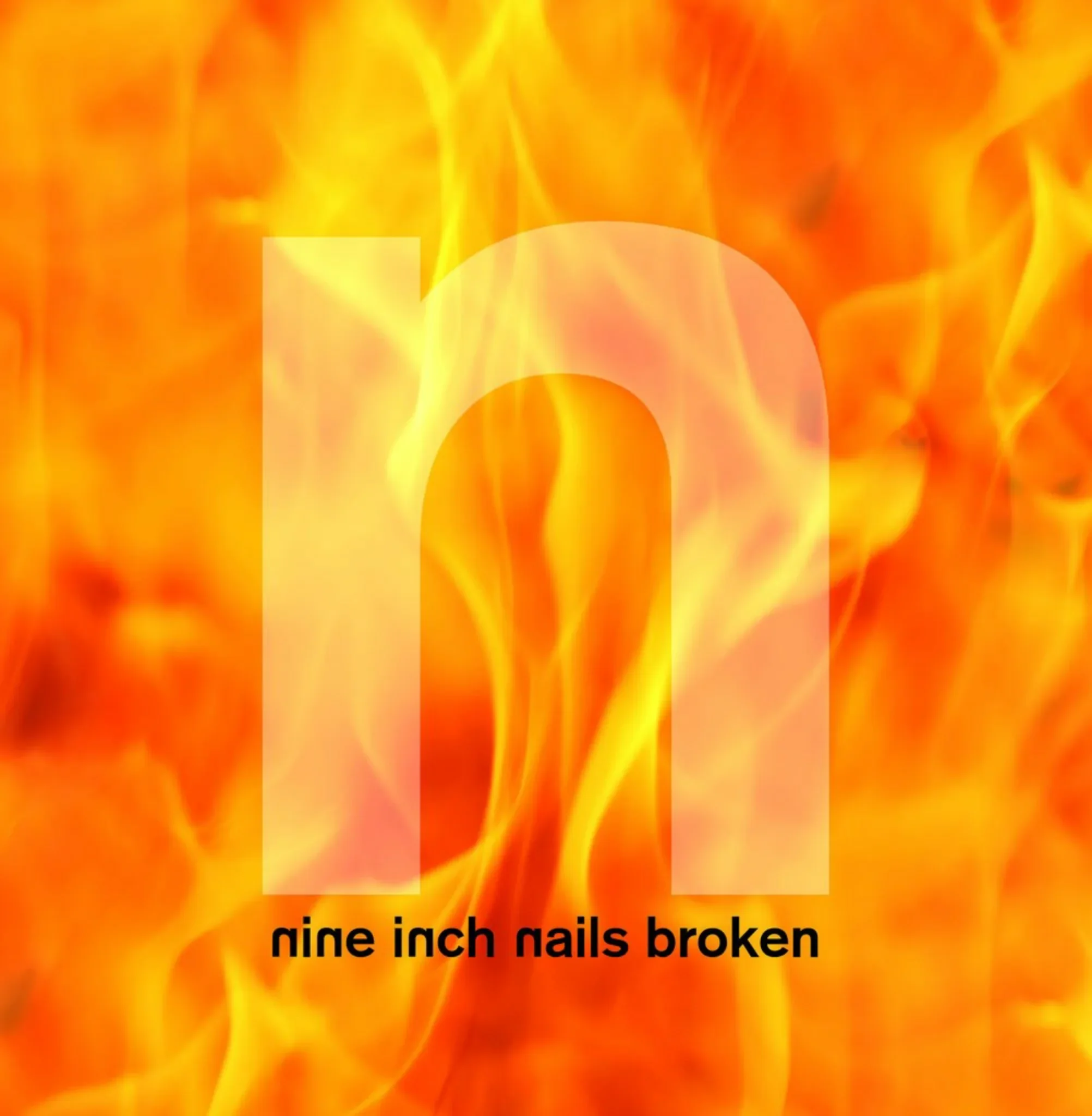
CERTIFIED HOOD CLASSICS #1 Nine Inch Nails ”Broken”
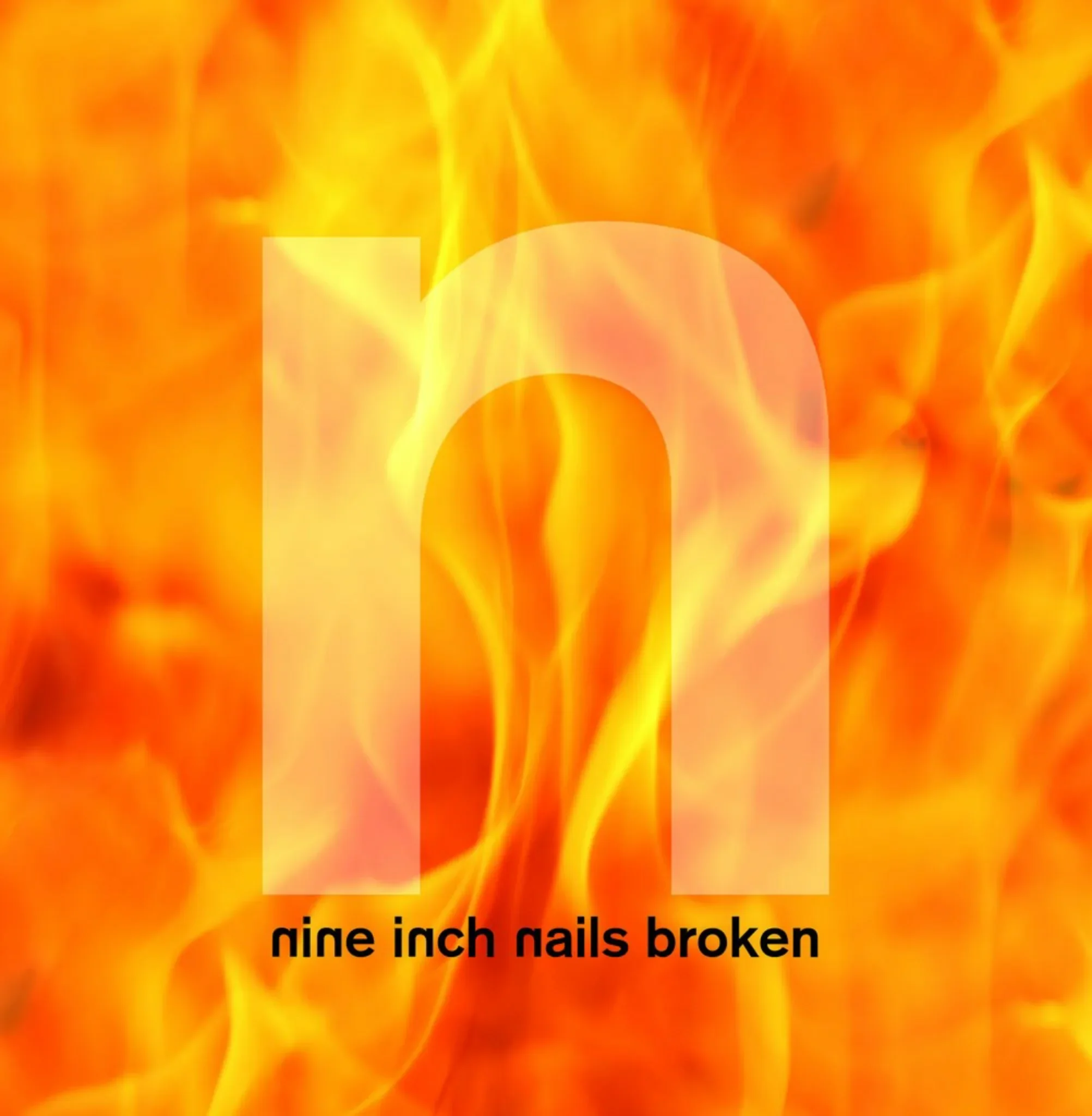
We’re launching a brand-new series for this blog. Once a month, I will publish stories of albums that, for various reasons, were overshadowed by other creations of otherwise known artists, but nonetheless deserve recognition. For the first piece in this series, we’ll look into the fascinating history of an underrated EP by industrial rock pioneers Nine Inch Nails. Hope you’ll enjoy.
PART 1 ”AFTER EVERYTHING I’VE DONE I HATE MYSELF FOR WHAT I’VE BECOME”
The year is 1991, after the sensational commercial success of Nine Inch Nails’ debut called Pretty Hate Machine (released in 1989), Trent Reznor - the band’s frontman and main songwriter is… frustrated. The label wants him to double down on the synth-pop elements of the first album with its follow-up. Reznor, however, knows that the 80s have come to an end, and alongside this transition, the music is evolving as well. Nine Inch Nails’ current label, TVT Records, is relentless and says it won’t release anything even remotely different from Pretty Hate Machine. The silver lining to this ongoing feud comes in the form of Jimmy Iovine - a legendary producer who by this point worked with artists such as Patti Smith, Tom Petty & Heartbreakers, John Lennon, Dire Straits, and Stevie Nicks. As a joint venture with Atlantic Records, Iovine has just founded his record label called Interscope, which became interested in signing the up-and-coming industrial rock band from Cleveland, Ohio. Reznor, who has absolutely no idea about Iovine’s philosophy and previous work as a producer, is understandably mistrustful while thinking about the potential trade. He worries that the circumstances will change from bad to worse; he doesn’t know, however, that Interscope promises to give ”complete creative control” back to artists. Sceptical, yet completely furious with his current label, Reznor decides to take Iovine’s offer. After months of legal battle, it was decided that a new EP by Nine Inch Nails would be jointly released by TVT and Interscope, and by early 1992, recording started.
The choice of the recording location is quite prophetic when it comes to the content of Broken and its follow-up, The Downward Spiral (1994). Reznor decided to rent up 10050 Cielo Drive in Los Angeles, the infamous property in which Sharon Tate was gruesomely murdered by followers of Charles Manson. He made a makeshift studio in the house and named it Le Pig (quite obvious reference to Susan Atkins writing the word ”pig” on the front door with Sharon Tate’s blood after the murder). Quite shocking so far, isn't it? I believe that every creative decision behind the Broken EP was dictated by Reznor testing Iovine whether he was just talking shit with this ”artists regaining creative control over their projects” narration, and boy, oh boy, did he test it. The choice of a recording location isn’t even the most controversial thing about this project, but one thing at a time.
PART 2 ”FRESH BLOOD THROUGH TIRED SKIN”
The first track, Pinion, starts the EP with a distorted loop gradually increasing in volume; the listener gets a feeling that something’s in the air, just waiting to explode. Then it all hits us with the second track called Wish, the band plays power chords with the speed of a machine gun, all instruments are covered in extremely thick effects that create a claustrophobic wall of sound, the lyrics are masochistic and also to some extent mocking towards the anguish experienced by the creator, as one can see here:
I'm the one without a soul
I'm the one with this big fucking hole
No new tale to tell
Twenty-six years, on my way to hell
Suddenly it becomes brutally clear what emotions were driving Reznor’s creative process on this project - almost indescribable anger, feeling like a prisoner in the industry you’ve dreamed of becoming part of when you were younger, ubiquitous unfulfillment that’s present even whilst being on top of the game, striving for authenticity when everyone expects you to make your work commercially safe and so on and so forth. Desperation as a result of these worries reaches its peak in this tormented but glorious chorus,”Wish there was something real. Wish there was something true”.
The themes I’m describing here are further enhanced by a music video created for this track, in which we see Nine Inch Nails performing in a large cage while hordes of fans in a barbaric trance try to get in to get a piece of the band. It looks like a scene from the Mad Max franchise, and was incredibly fresh and provocative for its time. It is a beautiful relic of perhaps the most experimental era in the history of music videos. The ending scene in which fans break in with bats and clubs was edited by MTV for being ”too violent”, but despite small changes, Reznor’s uncompromising message remained striking as planned.
The next track, Last takes some inspiration from hard rock/glam school of writing riffs, but as Reznor hated bands of his age creating in these genres, it’s obviously run through his psychotic thoughts and is obligatory distorted into oblivion. Fast whispery pre-chorus contrasting with the rest of the track increases the claustrophobic vibe created by the preceding tracks.
The peak of the feeling of being locked in a situation without a way out comes with the following track, with its on-point title Help Me I Am In Hell. The breakneck tempo of Broken slows down for two minutes to create an uneasy feel in the listener with its haunting and echoing riff, and it fades out to a muffled sound reminiscent of a heartbeat.
Happiness Is Slavery, the most known track from the project alongside Wish and Gave Up, is like a ceremonial killing of the sound known from the Pretty Hate Machine, funky, dancy synths reminiscent of New Order and Depeche Mode seem to punch through the distortion, but unavoidably they have to die. Lyrically, Reznor takes almost direct shots aimed at his former label that tried to boot him up into something he never intended to be with words:
Human junk, just words
and so much skin
Stick my hands through the cage
of this endless routine
Just some flesh caught in
this big broken machine
We end the original line-up of songs with the nihilistic Gave Up. Whispers of a broken (no pun intended) man whose hope is dying that Reznor delivers on verses directly smash into utterly terrifying screams of the chorus and outro. The safe-for-work version of the video for this track was recorded in the aforementioned Le Pig studio on 10050 Cielo Drive and features a special appearance by pre-Antichrist Superstar Marilyn Manson who delivered backing vocals and rhythm guitar for this performance.
Broken also featured two bonus tracks, a cover of Adam and the Ants' song Physical (You’re So) and Suck which was originally released by a supergroup Pigface whose ridiculously fluid line-up once included Reznor. They are incredible reworks that bring new life to those songs, but since they are not fully original material that was first released on Broken, I’ll not get into a detailed analysis of them here to save some space in this already lengthy piece. Go and give them a listen, though, they are worth a try if you enjoyed everything Broken had to offer so far.
PART 3 ”NOW THERE’S NOTHING MORE FUCKED UP I COULD DO”
It’s impossible to talk about this EP without mentioning the infamous long-form Broken music video from 1993. Directed by Peter ”Sleazy” Christopherson, a performative industrial artist. As part of his performance, Christopherson once nailed a head of his penis to a board while the song If I Had a Hammer played in the background, and that’s how Reznor heard about him… so yeah, I guess that was the best possible guy for the job given what we’re dealing with here. Alongside Christopherson who helped Reznor to conceptualise the Broken music video, our little crew of masochists recruited Eric Goode, Serge Becker, and Jon Reiss to direct individual segments of this notorious movie.
Alright, that’s enough of the background about who is responsible for this creation, but the important question is - what specific content made Broken unsuitable for release at the time, and why was it ultimately shelved? Reznor’s idea for this music video was to emulate the feel of a snuff film. Here’s an explanation of what a snuff film is for those who, unlike me, aren’t clinically online reading about the disturbing media. Snuff film or snuff video is a type of movie made for commercial profit that depicts real scenes of rape, murder, suicide, or sometimes all of the above. Snuff films create a sort of underworld economy cause, for obvious reasons, they can’t be legally distributed and are only available for the perverts who look for them. So it was a genius move from Reznor to film something so utterly fucked up that there was no way that it would ever be played on MTV or played anywhere, to be honest, thus causing it to fall into this underground world of shady VHS tapes. Reznor made a bunch of bootleg tapes that he distributed in his circle, each with a different camera glitch, so he could later identify which cut it is when it will unavoidably leak. It was considered”lost media” for a while, then it was traded in the underground, and finally it was uploaded to YouTube in all of its compressed glory, caused by years and years of homemade copying. All of these things resulted in an unprecedented mythological status of the Broken movie, fulfilling Reznor’s original plan.
We start the video with the black-and-white scene of an execution by hanging, no introduction, no dialogue, just a man being punished for his crimes. After a minute or so, we abruptly switch the setting to a suburban neighbourhood with a camera work that is close to the amateur quality of homemade family videos. We see a young man who is visibly worried approaching the person who’s filming, and then again, we abruptly switch the setting to a garage. The young man is tied and gagged at this point, sitting on a chair, his torturer in a mask made of human skin is preparing for his ”work”, he turns on the TV, the aforementioned music video for Wish plays.
After that, the killer, while looking directly into the camera, repeatedly rewinds the part of the video when Reznor screams ”fist fuck” (that’s a subtle foreshadowing). The next segment is for the song Help Me I am in Hell. We see a man calmly consuming his meal despite being covered in flies. This segment is more surrealistic than creepy. After a brief comeback to the garage where the victim’s teeth are being removed by the killer, we see the Happiness In Slavery segment. Some industrial machinery is working on full throttle, Reznor sings while being locked in a cell, a man is being plugged into some perverted BDSM machinery, we can see that he is visibly amused by his body being subjected to all sorts of injections, cuts, and pinches. He is eventually turned into a pulp of raw flesh, with Reznor being in charge of the machinery in the end. Short shot of a young man being hanged by his hands in the garage from earlier, and we enter the grand finale, the most controversial sequence. The victim is mutilated, cut, tortured, fist-fucked in all sorts of ways, all of which is synchronised to the breakneck tempo of Gave Up. We get some shots of people gathering around the crime scene outside of the killer’s house, and along the way, we get some visual suggestions that the killer eats all of the unfortunate souls that land in his garage. We finish the movie with the execution of a killer via hanging; he dies with a smile on his face, proud of all the sadistic pain that he caused.
Cannibalism, grotesque violence, BDSM sexual perversions, full-frontal male nudity, extensive execution sequences, all of this in the aesthetic of a real snuff film, create a disturbing viewing experience unlike any music video in history.
(WARNING DO NOT WATCH THIS IF YOU HAVE A WEAK STOMACH, WHILE EATING OR AT WORK!!!!)
PART 4 ”I HAVE FOUND YOU CAN FIND HAPPINESS IN SLAVERY”
Some might say Reznor pushed the limits of creative expression allowed by Interscope too far, and that’s a valid opinion. Many people like me who are interested in making art see Broken and its accompanying music video as an ultimate middle finger aimed at record labels. It’s a triumph of artist defiance over slavery of conformity and well-digestible over-produced music. It’s a raw essence of what Nine Inch Nails is in its most inaccessible form.
Exploring one’s shadow and darkest thoughts has nearly killed Reznor. Shortly after the release of Broken, Nine Inch Nails released The Downward Spiral, a concept album about self-destruction. During its aptly named Self-Destruct Tour, Reznor got heavily addicted to drugs and got involved in the rivalry with Marlyn Manson over who would cause the most chaotic, mindlessly violent antics in hotel rooms. He eventually got sober after some time in rehab and was able to tell his tale in his following projects. Broken is often overlooked by the press and Nine Inch Nails fans due to the commercial and cultural impact of its successor, The Downward Spiral, which often gets all of the attention. Despite its inaccessible character, two songs from this EP have received a Grammy for Best Metal Performance; those songs are Wish and Happiness In Slavery. For me, Broken is the single most important Nine Inch Nails project, one that pushed limits of what is acceptable in the art world, and in many ways popularised the industrial scene. The absolute rage that fuelled Reznor during this era is something that resonated heavily with Generation X, in a similar manner to the impact of Nirvana’s Nevermind. It’s crazy to think that artists such as Reznor and Kurt Cobain were considered mainstream in the '90s. I mean, can you imagine them being confronted with the reality of music promotion in 2025? The label executives would be like ”Yeah, Trent, the project is fire, but can we produce some short-form content for TikTok, y’know, for the kids? Maybe some viral dance or something”. EPs such as Broken simply wouldn’t happen in 2025 as they would be considered too dark, too graphic, too grotesque for mass audiences. Broken with all of its brutality, terror, frustration, anger, rage, despair, and BDSM perversions is an important milestone in music history, the essence of the alternative 90s during which tormented visionaries modelled the mainstream landscape with the craziest ideas. That’s why the Broken EP can easily be considered the Certified Hood Classic.

Top 10 Najlepszych Albumów 2024

Rok 2024 był bardzo specyficzny pod kątem muzycznych premier. Z jednej strony to rok wielkiej gatunkowej stagnacji w bardzo bliskim mojemu sercu świecie rapowym. Obie części Vultures legendarnego Kanye Westa nie sprostały oczekiwaniom wszystkich poza najwytrwalszymi stanami Yeezy’ego i pomimo jasnych punktów pokroju nowego Chief Keefa i Tylera The Creator rok ten upłynął w zaskakującym braku innowacji w najpopularniejszym obecnie gatunku. Bynajmniej nie znaczy to jednak, że na pozostałych frontach muzycznych można zauważyć podobny zastój, rzekłbym nawet, że rock alternatywny i muzyka popularna od lat nie miały się tak dobrze, jak w 2024. Szczególnie ta druga zaskoczyła wieloma solidnymi premierami takimi jak nowa: Sabrina Carpenter, Chappell Roan, Charli XCX czy Billie Eilish. Kto jednak lśnił w tym roku najjaśniej? Ta lista spróbuje na to pytanie odpowiedzieć. Starałem się zaprezentować tutaj pewien eklektyczny przekrój gatunkowy, aby każdy czytelnik znalazł chociaż jeden tytuł dla siebie, jednak przez specyfikę formatu, tego typu zestawienia są zawsze trochę subiektywne. W każdym razie oto moja lista najlepszych tytułów z ubiegłego roku. Proszę traktować tę kolejność jako pewną próbę uporządkowania tego w jedną całość, a nie kategoryczną hierarchię, zapraszam do lektury.
#10 Wunderhorse ”Midas”

Gatunek: Indie Rock/Grunge/Post-Punk
Drugi album Angielskiego kwartetu z okolic Kornwalii przewyższa ich solidny, lecz o wiele bardziej przewidywalny i bezpieczny debiut ”Cub” pod praktycznie każdym względem. W ciągu zaledwie dwóch lat od premiery tego albumu Wunderhorse rozwinął swoje horyzonty muzyczne w tak błyskawicznym tempie, jakie można porównać tylko do największych gigantów Brytyjskiej sceny alternatywnej takich, jak: Wolf Alice lub Fontaines D.C. Wunderhorse zyskali pokłady doświadczenia dzięki supportowaniu tych drugich co widać w ich wirtuozerii w najnowszych wykonach na żywo. Nad ”Midasem” czuć przede wszystkim ducha dwóch zespołów - Pixies z ery przełomu lat 80/90 i The War On Drugs z ery 2017. Co mam przez to na myśli to tłuste alternatywne riffy, do których angielski kwartet zdążył nas przyzwyczaić, a także wybitnie nostalgiczne i introspektywne teksty. Jest w tym albumie jakaś poświata młodzieńczej nonszalancji, która zderza się czołowo z nieuchronnym przemijaniem i oczekiwaniami środowiska. Jacob Slater i jego ekipa serwują nam coś co można nazwać ”kontrolowanym chaosem”, melodyjnym brzmieniem, które nie zapomina o surowości eksplorowanych tu emocji. Hipnotyzująca Springsteenowa wokalna maniera Jacoba Slatera zabiera nas w podróż, która nie pozwala oderwać się od głośników, od pierwszych akordów singlowego utworu ”Midas” który uderza nas prosto w twarz po nostalgiczne akustyczne dźwięki zamykającego projekt ”Aeroplane”. Angielski kwartet pudłuje na tym krążku w zasadzie tylko raz - rozwleczonym do pięciu minut utworem ”Superman”, który brzmi jakby mógłby go napisać ktoś o wiele mniej utalentowany od tego zespołu. Ale fenomenalne utwory takie jak single — ”Arizona”, ”Rain”, ”July” czy ”Cathedrals” w pełni rekompensują to jednorazowe potknięcie. Całościowo ”Midas” to projekt o godzeniu pewnych sprzeczności gotujących się wewnątrz nas i zamieszaniu wynikającym z tego życiowego wyzwania. Wybitnie autorski album, który ma potencjał, by zostać kultowym klasykiem za parę lat.
#9 Kneecap ”Fine Art”

Gatunek: Rap/UK Drill
Wstęp tej listy mógłby zapowiadać, że gatunek rapowy zostanie kompletnie przemilczany w tym zestawieniu. Nie jest to jednak prawda, ponieważ czternastego czerwca wydarzyła się niespodzianka, która kompletnie zbiła mnie z tropu. ”Fine Art” to drugi po ”3cag” z roku 2018 projekt Irlandzkiego trio wywodzącego się z Zachodniego Belfastu. Wypchany po brzegi hitami, ulicznym narkotycznym zacięciem i przebrany w balaklawę Irlandzkiego Republikanizmu. ”Fine Art” jest też zaskakująco dobrze zmiksowane jak na ten gatunek co najbardziej widać na tytułowym utworze oraz ”I’m Flush”, ”Love Making”, ”Sick In The Head” i nagranym we współpracy z Grianem Chatten z Fontaines D.C. ”Better Way To Live”. W tym samym czasie nie mamy tu do czynienia z nadmiernym komercyjnym wygładzeniem jakże charakterystycznym dla współczesnego drillu ze Zjednoczonego Królestwa (CentralCee dobrze obrazuje ten problem). ”Fine Art” jest historią sukcesu na własnych zasadach, a nie za cenę autentyczności. Jest to też album tak bardzo polityczny, że ”Nothing Great About Britain” Slowthaia sprzed paru lat, które poruszało podobne tematyczne noty wygląda przy tym, jak szkółka niedzielna. To album który wrzuca w około rapową bańkę granat z taką siłą , z jaką Nirvana zrobiła to z muzyką rockową w latach dziewięćdziesiątych. Kneecap jest antysystemowe i antykomercyjne w takim znaczeniu, jakiego nie widziano w mainstreamie od czasów Rage Against The Machine. Jest też coś wybitnie unikalnego w grupie rapującej w dużej części w języku Irlandzkim, którym operuje dziś mniej niż 2 miliony ludzi (i zaledwie 80 tysięcy native speakerów) w tym samym czasie zachęcając słuchaczy do zainteresowania się tym językiem , chociażby po to by zrozumieć połowę tych zwrotek. Jak głosi cytat z wydanego równolegle do albumu autobiograficznego filmu o chłopakach ”A country without a language is only half a nation.” (”Kraj bez języka to tylko połowicznie naród”). I właśnie tym jest ”Fine Art” językową kulą w głowę Angielskiego okupanta.
#8 Billie Eilish ”HIT ME HARD AND SOFT”

Gatunek: Pop
W tym samym punkcie listy można by równie dobrze umieścić ”Short n’ Sweet” Sabriny Carpenter albo ”The Rise and Fall of a Midwest Princess” Chappell Roan , które są równie wybitnymi albumami popowymi co nowy projekt Billie Eilish. Wybór padł tutaj jednak na wokalistkę z Los Angeles z jednego prostego powodu. W czasie kiedy Sabrina i Chappell krzyczą ”jestem bardziej pewna niż kiedykolwiek tego, kim jestem” Billie zdaje się szeptać ”dopiero odkrywam kim jestem” co jest zaskakującym wyznaniem jak na osobę, którą zdaje się pozornie znać cały świat. Drugi album Billie Eilish ”Happier Than Ever” był kolosem na glinianych nogach , który miejscami nieudolnie bawił się w cosplay późnej Adele. Debiut czyli ”When We Fall Asleep Where Do We Go” był udanym minimalistycznym projektem popowym, który pomimo długiej listy hitów nie robił z tym gatunkiem nic czego wcześniej nie zrobiłaby Lorde. Mając te oba fakty na uwadze nie pokładałem ogromnych oczekiwań względem nowego projektu Pani Eilish, no i się mocno zdziwiłem, kiedy album ujrzał światło dzienne. Tekstowo, formalnie, artystycznie to najbardziej spójny i dojrzały projekt Eilish. ”HIT ME HARD AND SOFT” cementuje miejsce Billie jako talentu, który zdarza się może raz na pokolenie. Viralowy sukces muzycznego coming-outu, czyli singla ”LUNCH” oraz innego singla czyli ”Birds of A Feather” trochę przyćmił to jak dobry całościowo to jest album. W najnowszych tekstach Eilish jest swego rodzaju unikalna kruchość i wrażliwość co najbardziej widać na utworze ”The Greatest”, jej trzeci album to przede wszystkim historie o przepracowywaniu traum, potrzebie bliskości, ale w tym samym czasie strachem przed nią i w największej części album o poszukiwaniu siebie. Myślę, że potencjalnie jest to też najbardziej uniwersalna rekomendacja z tej listy, jest to spowodowane perfekcyjną warstwą producencką, ale także uniwersalnością i otwartością tekstów Eilish. Nie ma tu ani jednej wątpliwej decyzji kreatywnej, ”HIT ME HARD AND SOFT” przez 43 minuty i 50 sekund nie pudłuje w ani w jednej z owych sekund.
#7 Kim Gordon ”The Collective”

Gatunek: Noise Rock/Trap/Industrial
Trzeba mieć w sobie naprawdę absurdalne pokłady brawury, by po kilku dekadach grania eksperymentalnego punk rocka w wieku 71 lat zrobić nagle album trapowy. Albo po prostu nazywać się Kim Gordon, ikona feminizmu w muzyce, była basistka i wokalistka kultowej grupy Sonic Youth, oraz jedna z najbliższych osób z otoczenia Kurta Cobaina powróciła z nowym krążkiem i jak to ona narobiła całkiem sporo zamieszania i hałasu. ”The Collective” to zdecydowanie najodważniejszy album w dyskografii Kim Gordon, taki który wychodzi brzmieniowo względnie daleko poza jej strefę komfortu. Na pewno nie jest to projekt dla każdego, bo psychotyczne wokale i mocno industrialne sekcje instrumentalne mogą dla wielu okazać się czymś nie do przeskoczenia. Na tych, którzy zdecydują się jednak dać ”The Collective” szansę czeka bezpardonowy feministyczny manifest i album jak żaden inny w tym roku. Bity znacząco inspirują się południowym hip-hopem w stylu Three 6 Mafia, jednak zamiast nawijki o piciu kodeiny mamy tutaj dekonstrukcję toksycznej męskości. Kim Gordon nie zatraciła swojej popisowej maniery wokalnej pomimo czerpania z trendów muzycznych o wiele nowszych niż Nowojorska scena awangardowa, która pełniła w latach dziewięćdziesiątych tę samą funkcję, jaką rap pełni teraz. Funkcja ta nazywa się ”rzucenie cegły w witrynę establishmentu”. Momentami ”The Collective” brzmi jak jakieś zaginione utwory Playboia Carti, a momentami jak niewykorzystane numery z pierwszej ery Trenta Reznora z Nine Inch Nails. Pomimo stylu idącego z duchem czasu, punkowe feministyczne przesłanie Kim Gordon jest dziś równie aktualne jak było w czasach Sonic Youth. Dodatkowo rzekłbym, że jest też tym, czego brakowało we współczesnym trapie — feministycznym punktem widzenia właśnie.
#6 Clairo ”Charm”
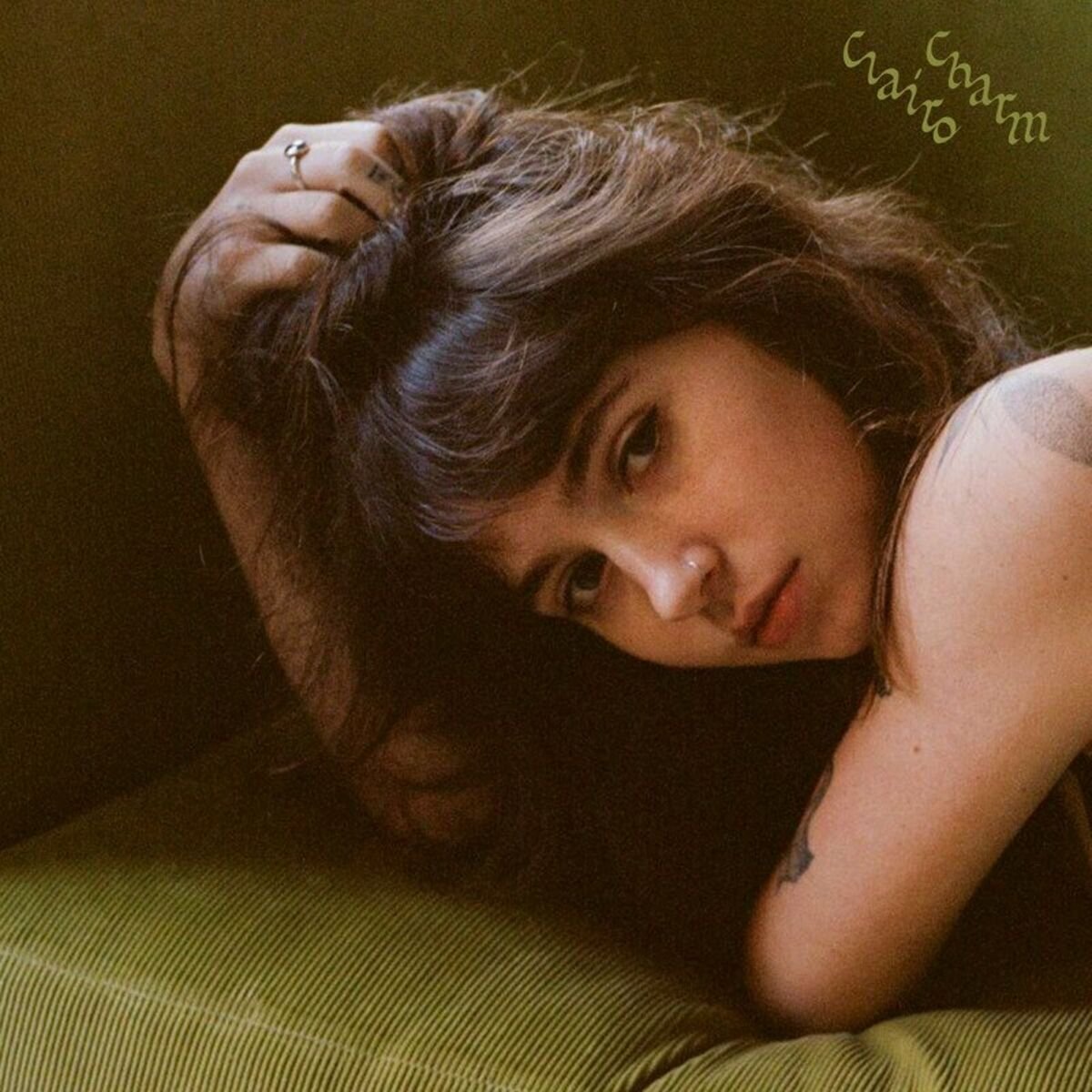
Gatunek: Folk/Bedroom Pop/Indie Rock
Dwudziestosześcioletnia Claire Cottril bardzo długo zmagała się z oskarżeniami o bycie tak zwanym ”industry plantem” (czyli artystą sztucznie pompowanym przez wytwórnie ze względu na swoje koneksje w branży, najczęściej koneksje rodzinne) i wydaje mi się, że to, z jakiej ktoś jest klasy społecznej niekoniecznie definiuje to, czy ktoś jest dobrym artystą. Dodatkowo taki Julian Casablancas z The Strokes w teorii był o wiele bardziej uprzywilejowanym dzieciakiem z klasy wyższej, który medialnie utrzymywał ułamek tej krytyki, jaką otrzymuje Clairo. Drugą rzeczą, jaką Claire musiała udowodnić publice poza tym, że jest prawdziwą twórczynią a nie produktem, jest to, że cały gatunek bedroom popu jest czymś więcej niż tylko niuansem, ciekawostką, mikro-gatunkiem na sezon. No i obie te krytyczne opinie udało się rozbroić za pomocą ”Charm”. Stylistycznie widzimy tutaj dwie rzeczy, po pierwsze znaczącą woltę w stronę folku, która była już widoczna na poprzednim albumie Claire, czyli ”Sling”, drugą znaczącą zmianą w jej twórczości jest wyraźna instrumentalna inspiracja Steely Dan. ”Charm” w tej materii jest podobny do ”Daddy’s Home” St.Vincent z 2021, jednakże w mojej skromnej opinii Clairo dowozi ten koncept ukłonu w stronę Steely Dan nieco lepiej niż St.Vincent. Dzieje się tak, ponieważ Claire nie daje się zaślepić nostalgii i bardziej stanowczo zaznacza swój sznyt jako piosenkarki. Tekstowo czuć tutaj fruwającą gdzieś nad nami Joni Mitchell i Joan Baez, obie Panie miały tendencję do skupiania się na tych małych drobnych codziennych detalach, które wielu śmiertelnikom umykają, a które koniec końców czynią nas ludźmi. Podobnie jak wspomniana wcześniej na liście Billie Eilish, Claire jest wybitnie wrażliwa w swoim pisaniu o miłości, jej historie są jednak o wiele bardziej optymistyczne pomimo upływających dni i minionych związków. Na każdym froncie, instrumentalnym, produkcyjnym i tekstowym jest to najbardziej dojrzały i spójny w swoim brzmieniu album w dorobku artystki. Utwory w magiczny sposób ”przepływają” po sobie, jednakże bez zlewania się jednoraką breję.
”Charm” jest jak przypadkowe wejście do baru na uboczu gdzieś na SoHo w Nowym Jorku w latach siedemdziesiątych i zostanie tam na najbardziej pamiętny koncert swojego życia.
#5 Kendrick Lamar ”GNX”
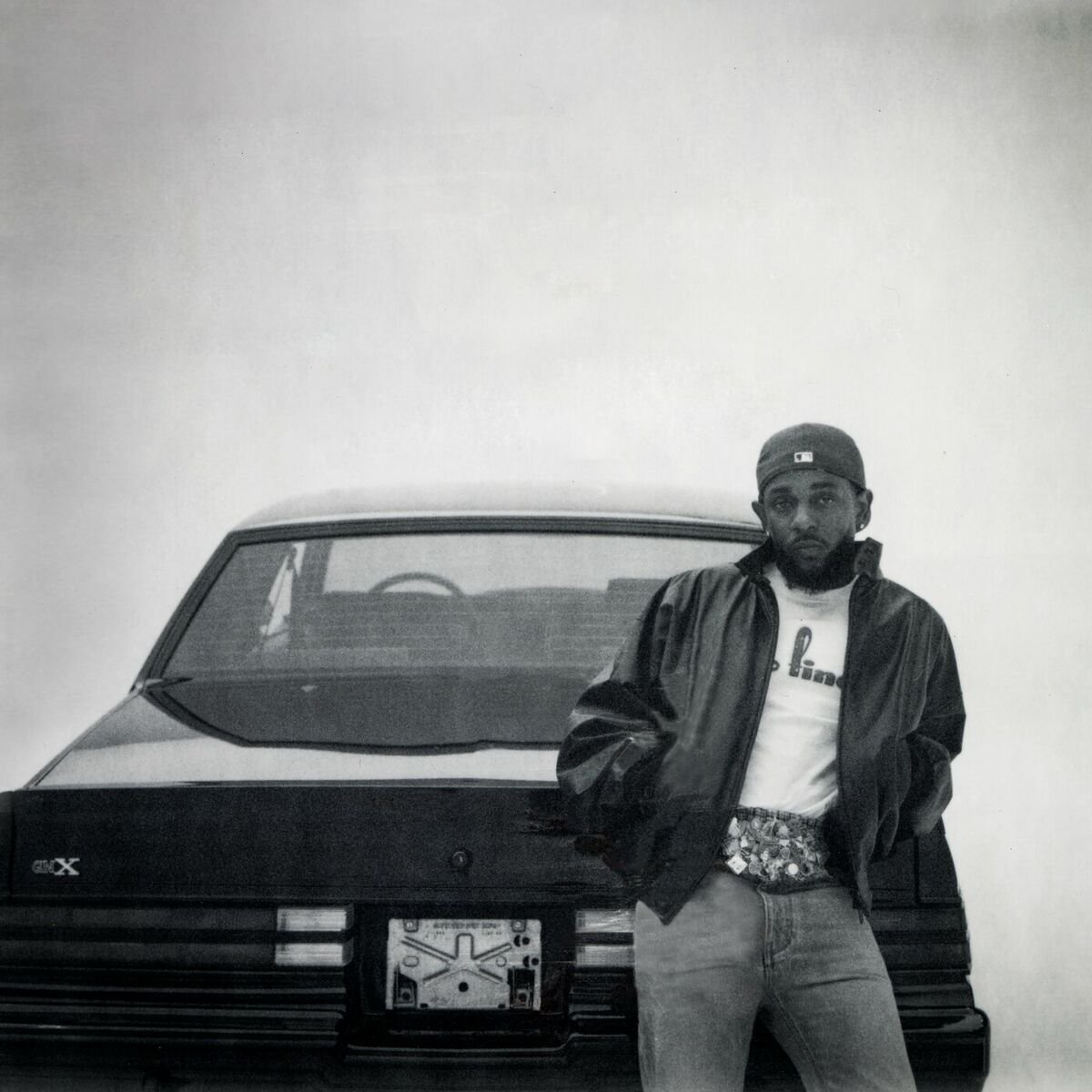
Gatunek: Rap
Bez singli, bez teledysków, bez uprzedzenia. Niewielu współczesnych twórców jest w stanie wydać album bez jakiejkolwiek kampanii marketingowej, który w ciągu doby od premiery nabije jakieś niebotyczne wyniki zasięgowe. Król Kendrick jednak potrafi, jego poprzedni album, czyli ”Mr.Morale & The Big Steppers” był potencjalnie najsłabszym krążkiem rapera z Compton w jego karierze. W tym samym czasie nie był to zły album, tylko taki który wymknął się spod kontroli pod kątem absurdalnej ambicji i próbie sprostania oczekiwaniom słuchaczy. Miał momenty, ale całościowo był niepotrzebnie rozciągnięty do prawie półtorej godziny. Na ”GNX” Kendrick wraca do podstaw, nie uświadczymy tutaj freestyle jazzu z ery ”To Pimp A Butterfly” ani narracyjnej pętli znanej z ”DAMN”. Nie znaczy to bynajmniej, że Kendrick wypada z formy i próbuje zreplikować młodszą wersję siebie (to zrobił w tym roku Eminem, ale to rozmowa na inną okazję). Jedyny muzyk spoza gatunku jazzu i muzyki klasycznej, który otrzymał Pultizera po raz kolejny czaruje swoim piórem na ”GNX”, nie jest to album tak przełomowy jak ”To Pimp A Butterfly” albo ”DAMN”, ale w tym samym wygrywa na froncie, na którym tamte albumy przegrywały — ten front to przystępność dla nowych słuchaczy. Bity na których nawija Kendrick urosły w ostatnich latach do nadmiernego stopnia skomplikowania czego idealnym przykładem jest wcześniej wspomniany ”Mr.Morale”, i to odcięcie tego co zbędne i skupienie się na tym co konieczne wyszło ”GNX” na dobre. Z jednej strony mamy miejskie uliczne hity takie jak ”squabble up” i ”tv off”, ale owe przeplatane są wybitnie introspektywnymi zen momentami, mowa tutaj, chociażby o takich numerach jak ”luther” z SZA albo ”reincarnated”. Ten drugi brzmi jak hybryda późnego Notoriousa B.I.G. i wczesnego 2Paca, końcowa zwrotka to dla Kendricka absolutna życiówka, a gitarowe przejścia noszą w sobie ducha Santany. Zarówno w ”luther”, jak i ”reincarnated” rozwijane są religijne motywy zapoczątkowane na poprzednim albumie, tym razem jednak dyskurs rapera z Compton z duchowością wydaje się o wiele bardziej dojrzały i po prostu szczery. Lamar jest artystą, który na tym etapie już nic nie musi, tylko może, a jednak pomimo bycia najważniejszym raperem ostatniej dekady nieprzerwanie stawia sobie nowe wyzwania i walczy z nowymi przeciwnościami losu. Pomimo 78 milionów regularnych słuchaczy na koncie (wow), to wciąż ten sam autentyczny chłopak, który nie udaje kogoś kim nie jest. Pomimo niebotycznych sum na koncie wciąż nosi na sobie krzyż dorastania w jednym z najbardziej morderczych rejonów Los Angeles. Nie ma nikogo, podkreślam nikogo w obecnej generacji raperów, kto miałby tak nieskazitelny katalog albumów. I ”GNX” po raz kolejny potwierdza, że J.Cole i w szczególności Drake nie są na tym samym poziomie artystycznym, nawet jeżeli zasięgami depczą K-Dotowi po piętach. ”Peakaboo” pod kątem flow zakrawa o trochę kreskówkowe klimaty, jednak całościowo ”GNX” to bardzo spójny projekt, który cementuje fakt, że we współczesnym rapie król jest tylko jeden.
#4 The Cure ”Songs of a Lost World”

Gatunek: Gothic Rock/New Wave
Pamiętam, że kiedy świat obiegła informacja o rozpoczęciu sesji nagraniowych na nowy album The Cure byłem… zmartwiony, zaniepokojony w podobny sposób, w jaki obecnie jestem na wieść o tym, że chłopaki z Oasis gotują nowy projekt. ”Songs of a Lost World” to pierwszy od 16 lat nowy album długogrający ikon New Wave’owej rewolucji, zespół, który pochodzi z Angielskiej miejscowości Crawley w przeciwieństwie do Oasis jednak nie zaliczył tak długiej przerwy w działalności. Wydaje się, że po sukcesie The Cure Tour z okazji 40lecia w latach 2018/2019 nowy materiał był czymś nieuniknionym, jednak zaprezentowanie nowych piosenek po tak długiej przerwie w ich pisaniu jest zawsze czymś ryzykownym, szczególnie dla zespołu tak kultowego jak The Cure. Moje obawy powoli rozwiewał bardzo filmowy początek albumu, czyli ”Alone” i ”And Nothing Is Forever”, które bardzo niespiesznym tempem wprowadzają nas w melancholijny klimat całości. Jej motywem przewodnim są tak ”lekkie i przyjemne” koncepty jak śmierć i przemijanie, a także utrata członka rodziny. W momencie, kiedy z tego sennego, ale i czarującego filmowego transu wybiło mnie nagle ”A Fragile Thing”, wiedziałem, że właśnie usłyszałem najlepiej napisane gitarowe solo roku, co więcej zauważyłem też, że wokal Roberta Smitha nie zmienił się nawet marginalnie od czasu debiutu The Cure w 1979 co jest czymś niemalże niespotykanym. Pomimo tego, że u podstawy to ten sam Robert Smith i to samo The Cure, to nuty, w jakie uderza zespół na tym projekcie są znacząco inne. Tekstowo mamy tutaj multum refleksji nad sensem egzystencji, śmiercią i pustce po stracie kogoś bliskiego, w tej materii blisko zespołowi do Iana Curtisa z Joy Division, ale także chociażby Nicka Cave’a z ery ”The Skeleton Tree”. Iinstrumentalnie The Cure zalicza stylistyczną woltę w kierunku Depeche Mode z początku lat dziewięćdziesiątych (mówię tu o albumach takich jak ”Songs of Faith and Devotion” i w szczególności ”Ultra”) większą rolę niż zwykle grają tu instrumenty klawiszowe przy delikatnym ograniczeniu partii gitarowych. To emocjonalnie i formalnie najcięższe The Cure w ich historii, jednak te monumentalne 8 kompozycji o smutku, który jest niemalże trudny do ubrania w słowa działa znakomicie. Kompozycyjne ambicje Smitha (które widać w szczególności na tercecie piosenek ”A Fragile Thing”, ”Warsong” i
”Drone:Nodrone”, z których ta ostatnia najbardziej brzmi jak wspomniane wcześniej Depeche Mode) nie doprowadziły jednak do zatracenia tożsamości i każda z tych ośmiu wybitnie ponurych kompozycji dowozi na każdym kreatywnym gruncie. ”I Can Never Say Goodbye” czaruje swoimi molowymi akordami, które dają nam, chociaż w jakiejś namiastce poczuć emocje, z jakimi zmaga się w ostatnich latach Smith, i w tym samym czasie ten utwór jest może najbardziej klasycznym wydaniem zespołu na tym krążku.
Aż ciśnie się na usta myśląc o takim zespole jak The Cure ”They don’t make them like this anymore”.
#3 Cindy Lee ”Diamond Jubilee”

Gatunek: No Wave/Hypnogogic Pop
Cindy Lee to do niedawna poboczny, a obecnie chyba główny Patricka Flagela, byłego gitarzysty i wokalisty Kanadyjskiej indie rockowej formacji Women. ”Diamond Jubilee to album równie współczesny co nostalgiczny. Eksperymentalny prawie dwugodzinny (wow) muzyczny behemot. Mój bliski przyjaciel powiedział kiedyś podczas słuchania tej płyty ”to jest jak sen, o którym zapomniałeś, jak wspomnienie miejsca, w którym nigdy nie byłeś” i właśnie to zdanie bardzo precyzyjnie oddaje artystyczny kierunek obrany przez Flagela, jest to też klimat jakże wierny dziedzictwu gatunkowemu no wave’u. Pomimo absurdalnego czasu trwania, projekt praktycznie nie ma zapychaczy czy niepasujących do całości momentów. Od pierwszych akordów tytułowego utworu wsiąkamy w tę magiczną podróż, w którą zabiera nas Cindy Lee. Analizując użyte na projekcie akordy, kilkukrotnie złapałem się na bardzo nieoczywistym skojarzeniu do sceny psychodelicznej/glamowej przełomu lat sześćdziesiątych i siedemdziesiątych. Mowa tutaj o takich twórcach jak Donovan oraz Marc Bolan i jego grupa T.Rex. Obaj Panowie byli względnie bezpardonowi i tworzący nowe trendy w swoim czasie. Rozbijali oni też percepcję ról płciowych i tego, jak ”wypada” się mężczyznom ubierać, co było bardzo wywrotowe w tamtym okresie. Kiedy patrzę na Cindy Lee, czyli Flagela występującego w pełnym dragu dochodzę do wniosku, że tego typu ekspresja jest dzisiaj równie potrzebna i wywrotowa jak w czasach rewolucji seksualnej, jeśli nawet nie bardziej. Poza pionierami glamu czuć tutaj też ducha późnego The Velvet Underground i początków noise rocka. Pomimo eksperymentalnego charakteru całości jest to projekt bardzo przystępny i urzekający swoją wrażliwością. Znakomity soundtrack na zaproszenie ziomeczków na rozmowy o dawnych czasach i życiu. Produkcyjnie dzięki pewnym konkretnym zabiegom w miksie, całość brzmi jak jakiś zapomniany zaginiony album z wczesnych lat siedemdziesiątych, a nie album z 2024. ”Diamond Jubilee” to wyjątkowy album, który warto sprawdzić pomimo zrezygnowania z jego dystrybucji na mainstreamowych platformach streamingowych.
#2 Charli xcx ”Brat” & ”Brat and It's Completely Different but Also Still Brat”

Gatunek: Recession Pop/Hyperpop
To delikatne oszustwo, by umieścić na tym miejscu dwa albumy, ale remixy utworów z ”Brat” dodają tak wiele przez fenomenalną selekcję gościnnych występów, że grzechem byłoby zignorować ten fakt. Dla mnie ”Brat” jest podwójnym albumem, oryginał i remix tworzą nierozerwalną całość i nie da się mówić o jednym bez wspomnienia o istnieniu tego drugiego, ale po kolei. Bardzo długo nie rozumiałem fenomenu Charli xcx, kiedy prasa zachwycała się EPką ”Vroom Vroom” w 2016 ja łapałem się za głowę myśląc ”ok jest to hyperpop, ale co wyróżnia Charli wśród tej fali wykonawców takich jak: Icona Pop, Tove Lo, MØ i tak dalej”. No i wraz z premierą Brat to zrozumiałem, to co wyróżnia Charli xcx na tle konkurencji to fakt jak łatwo się z nią utożsamić. Co jest czymś niezwykłym szczególnie przy tym, jak bardzo popularną artystką ona jest, to bardzo rzadki dar, który na tym poziomie ma w mainstreamie chyba tylko Billie Eilish lub Lorde. Historie, jakie serwuje nam Charli na ”Brat” nie są tak oderwane od rzeczywistości szarych śmiertelników jak chociażby te z ”The Tortured Poets Department” autorstwa Taylor Swift (przy okazji jeden z najgorszych albumów tej białej dziewczyny, listy z pogróżkami proszę słać na maila). Charli serwuje nam opowieści z lepkich od rozlanego alkoholu klubów, zabiera nas w szaloną podróż, która tematycznie balansuje między kuloodporną pewnością siebie (np. na utworach ”360” i ”VonDutch”), ale także absolutną nagością emocjonalną związaną z miłością i rodzicielstwem (utwór ”I Think about it all the time”). Mamy tutaj też tak bardzo nieeksplorowane w popie motywy jak wpływ działań naszych przodków na to, kim jesteśmy (”Apple”). ”Brat” jest też listem miłosnym do kultury angielskich rave’ów, w szczególności tych z lat dziewięćdziesiątych. Charli zjadła na tej scenie zęby, ponieważ grała sety na nielegalnych rave’ach już jako nastolatka. Całość projektu przypomina właśnie taki DJski set, ale pomimo wbijających się w czaszkę syntezatorów i muzycznych klubowych klasyków, jest w tym projekcie zaskakująca głębia emocjonalna, jest w tym coś, co rezonuje z niemalże całym pokoleniem, co widać po viralowym sukcesie albumu, do którego na pewno do pewnego stopnia przyczyniły się kolportowane memy w trakcie mitycznego ”Brat Summer”. W tym samym czasie najbardziej do sukcesu albumu przyczynił się fakt jak dobry jest to projekt, jak bardzo przemyślany od początku do końca. ”Brat” odnosi sukces tam gdzie, ”Chromatica” Lady Gagi (która była bardzo podobnym stylistycznie albumem) zawiodła swoim przekombinowaniem. Można powiedzieć, że to jest, coś w czym Charli xcx jest najlepsza, w byciu sobą, w ignorowaniu oczekiwań publiki i wytwórni, by zaserwować nam potencjalnie najbardziej autentyczny album roku. Na koniec krótko o remixach, ”Girl, so confusing” bez Lorde nie istnieje, pierwotny utwór był swoistym zaproszeniem wokalistki z Nowej Zelandii do współpracy. Owo zaproszenie zaowocowało jednym z najbardziej ikonicznych popowych kolabów ostatniej dekady. Sposób, w jaki Lorde spowiada się z zaburzeń odżywiania na tym house’owym bicie to absolutne ciarki. ”Mean Girls” z Julianem Casablancasem z The Strokes zyskuje kompletnie nowe życie, a bridge ze znacząco zmniejszonym autotune’em względem oryginału, pokazuje jaką bestią jest mezzosopran Charli, i to, że to wszechobecne hyperpopowe użycie auto-tune’a jest tylko dodatkiem do tego, jak utalentowana jest Pani xcx w pisaniu melodii i harmonii. ”Guess” ze świeżo przebudzoną w kwestii orientacji seksualnej Billie Eilish to klasa sama w sobie która kopie tak samo mocno przy każdym odtworzeniu. ”360” z Yung Leanem i Robyn tak swobodnie skacze między wokalistami, że oczyma wyobraźni możemy zobaczyć, jak dużo frajdy musieli mieć razem w studiu. Troye Sivan, Bon Iver, The 1975, Addison Rae, A.G Cook, Tinashe i Kesha wnoszą do follow-upu ”Brat” jakiś element siebie w tym samym czasie pozostając w ramach konwencji całości, i jest to coś absolutnie wyjątkowego w dobie albumów z remixami które nie zmieniają nic. Jeżeli historycy muzyczni będą za wiele lat wspominać jakiś jeden album z tego roku jako definiujący trendy popkultury w danym momencie, to będzie ten album. Więc ruszajcie natychmiast przesłuchać ”Brat” razem z remixami, jeżeli nie chcecie zostać w tyle, bo Charli już teraz jest w przyszłości.
#1 Fontaines D.C ”Romance”
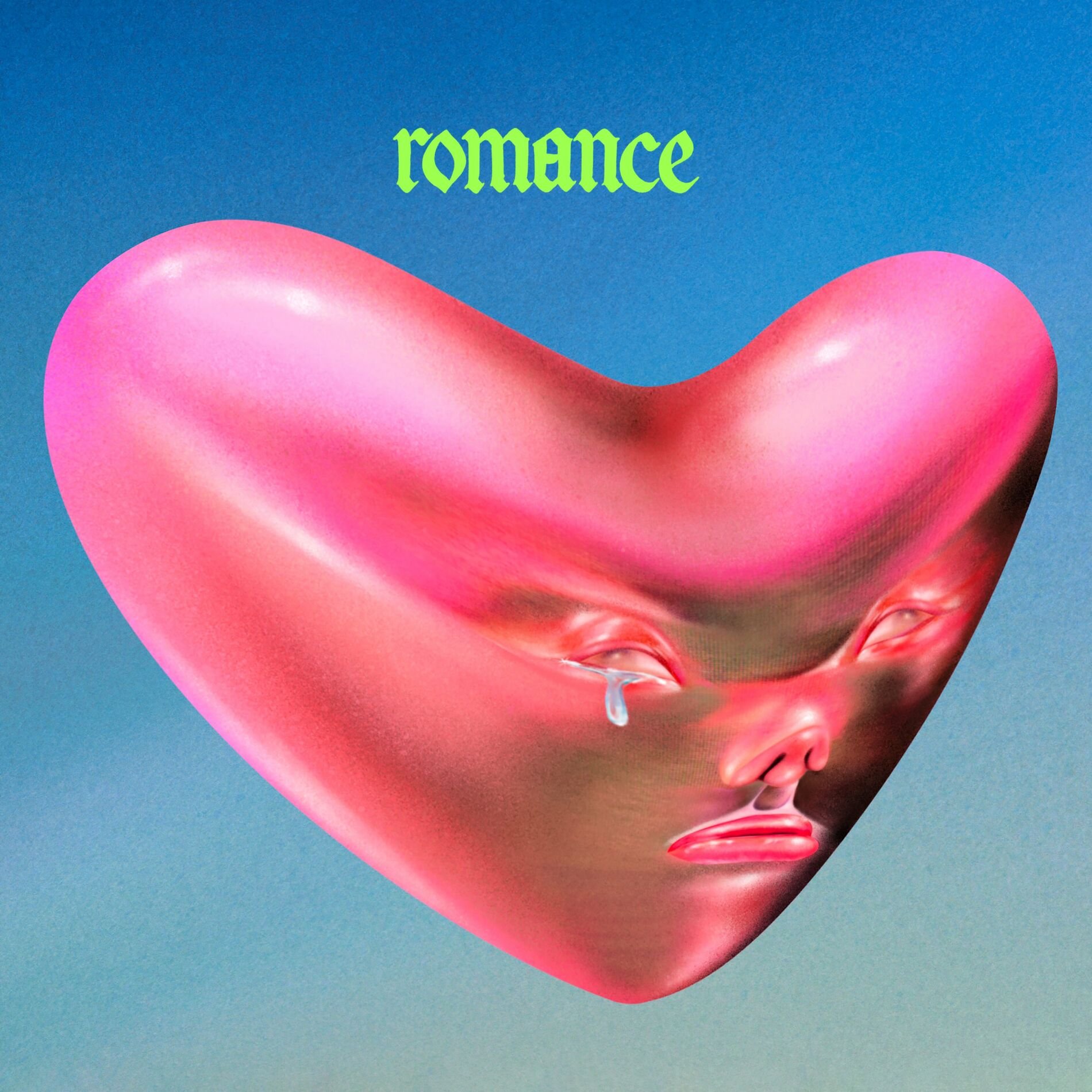
Gatunek: Post-Punk/Rock Alternatywny
Irlandzka grupa w dużej mierze odpowiedzialna za powrót post-punku do powszechnej świadomości zaprezentowała w tym roku swój najbardziej kreatywny projekt. Jasne może tekstowo nie jest tak poetycko ambitny jak jego poprzednik, czyli ”Skinty Fia”, ale ta bezpośredniość w tekstach czyni ”Romance” tworem o wiele bardziej przystępnym dla niezaznajomionych z ekipą z Dublina. Zamiast odcinać kupony na znanym już post-punkowym brzmieniu Brian Chatten i jego grupa zdecydowali się, zrobić coś zupełnie innego, niż można się by było spodziewać. Momentami ten album ociera się o trip-hop i shoegaze, ale pomimo dużego zróżnicowania brzmieniowego między utworami to niemalże filmowa historia, która jest spójna od początku do końca. Dominującym motywem w utworach z ”Romance” jest współczesna ”przemysłowość” miłości, a także ulotność i naiwność nadziei na lepsze jutro. W tym samym czasie Chatten definiuje te uczucia jako coś, co pozwala nam przeć naprzód przez życie niczym program który wgrywamy sobie do głowy, by nie zwariować. Główny singiel albumu czyli ”Starburster” to potencjalnie najlepsze dźwiękowe uchwycenie esencji ataku paniki jakie słyszałem w życiu (może ewentualnie na równi z "Interzone" Joy Division"), wybitnie kreatywne użycie głębokiego wdechu jako rytmizacji refrenu tylko podbija ten efekt. Zakrawające o hip-hopowe podwórko zwrotki to jedne z najlepszych wersów jakie Chatten napisał w swojej karierze, a ten hollywoodzki bridge potęguje tę wspomnianą wcześniej filmowość albumu. Riffy z ”Here’s The Thing” i ”Death Kink” wybitnie zapadają w pamięć. Całość ma nieco posępny wydźwięk, ale nie do takiego stopnia jak kompletne rozmontowanie psychiczne wspomnianego wcześniej na tej liście The Cure. Pożądanie, ulotna miłość, błędy ojców, radość z dobrych ludzi w naszym życiu, przemijanie - to wszystko motywy jakie znajdziemy na tym krążku, i właśnie to zróżnicowanie tego albumu przy spójności głównego konceptu czyni to dla mnie albumem roku. Dla większości ludzi ”Brat” Charli xcx jest albumem który perfekcyjnie chwyta esencję 2024, dla mnie ”Romance” Fontaines D.C jeszcze lepiej łapie skomplikowanie współczesnego świata i rozterki osób które zbliżają się nieuchronnie do trzydziestki. Eksperymentowanie gatunkowe jakie ma na ”Romance” miejsce jest czymś co naprawdę zasługuje tu na uwagę jako, że mówimy tutaj o muzyce rockowej czyli gatunku który po grunge’u/rocku alternatywnym lat dziewięćdziesiątych znalazł się w makabrycznej stagnacji do tego stopnia, że rap po prostu wypchnął go z fal radiowych. I z tego konkretnego powodu, że bardzo długo brakowało zespołów które miałyby odwagę zrobić coś nowego, coś po swojemu, coś by pchnąć całą branżę naprzód uważam, że laury jakie zgarniają Fontaines D.C w ostatnim czasie są zupełnie zasłużone. Elton John nazwał grupę ”obecnie najlepszym zespołem na świecie” i trudno jest się z tym nie zgodzić, gdyż zespołów które wydały 4 albumy i żaden z nich nie był słaby ani nawet przeciętny można ze świecą szukać, a tym bardziej zespołów rockowych. Pomimo tego, że to najbardziej przystępny projekt Fontaines D.C w ich karierze, nie jest to bynajmniej sprzedanie duszy wytwórni i pójście w komercję. Chłopaki z Dublina wciąż zachowują swój post-punkowy pazur zarówno w kwestii riffów jak i tekstów. Tekstów które mają wprawiać słuchacza w dyskomfort, zabrać go w rejony jego własnej psyche które na codzień ignoruje, skonfrontować z demonami przeszłości. Wydaje mi się, że to zdanie mówi więcej niż tysiąc słów które mógłbym napisać o tym albumie, ponieważ na koniec dnia dla mnie to jest esencja dobrej sztuki - wytrącenie nas z rytmu codzienności by spojrzeć na świat w jakiś nowy sposób. Pomimo względnie ponurych refleksji które widać chociażby na takich utworach jak ”Desire”, ”Bug” czy ”Sundowner” album kończy się względnie optymistyczną nutą w formie ”Favourite” jakby Brian Chatten i jego ekipa chcieli nas symbolicznie przeprosić za tą sesję terapii jaką tu wspólnie odbywaliśmy przez 37 minut. ”Favourite” mówi coś w stylu ”tak, świat jest pokręcony, cierpienie jest wieczne, ale na koniec dnia wszyscy mamy też jakieś ciepłe wspomnienia przeszłości i coś co pomaga nam to wszystko przetrwać, jakkolwiek naiwne by to nie było” . Ten słodko-gorzki charakter ”Romance” jest absolutnie hipnotyzujący i emocjonalnie porywający. Myślę, że zarówno ja jak i większość fanów Fontaines D.C nie może się doczekać czym Irlandzki zespół jest w stanie nas jeszcze zaskoczyć w przyszłości kiedy już teraz można powiedzieć, że na Wyspach drugiej takiej grupy po prostu nie ma.
Jednym zdaniem o kilku wyróżnieniach:
Jest kilka albumów które spokojnie mogłyby znaleźć się w tym zestawieniu, ale o których z różnych przyczyn nie wspomniałem, dlatego na koniec tego tekstowego tasiemca mamy jeszcze krótkie wyróżnienia.
Geordie Greep ”The New Sound”
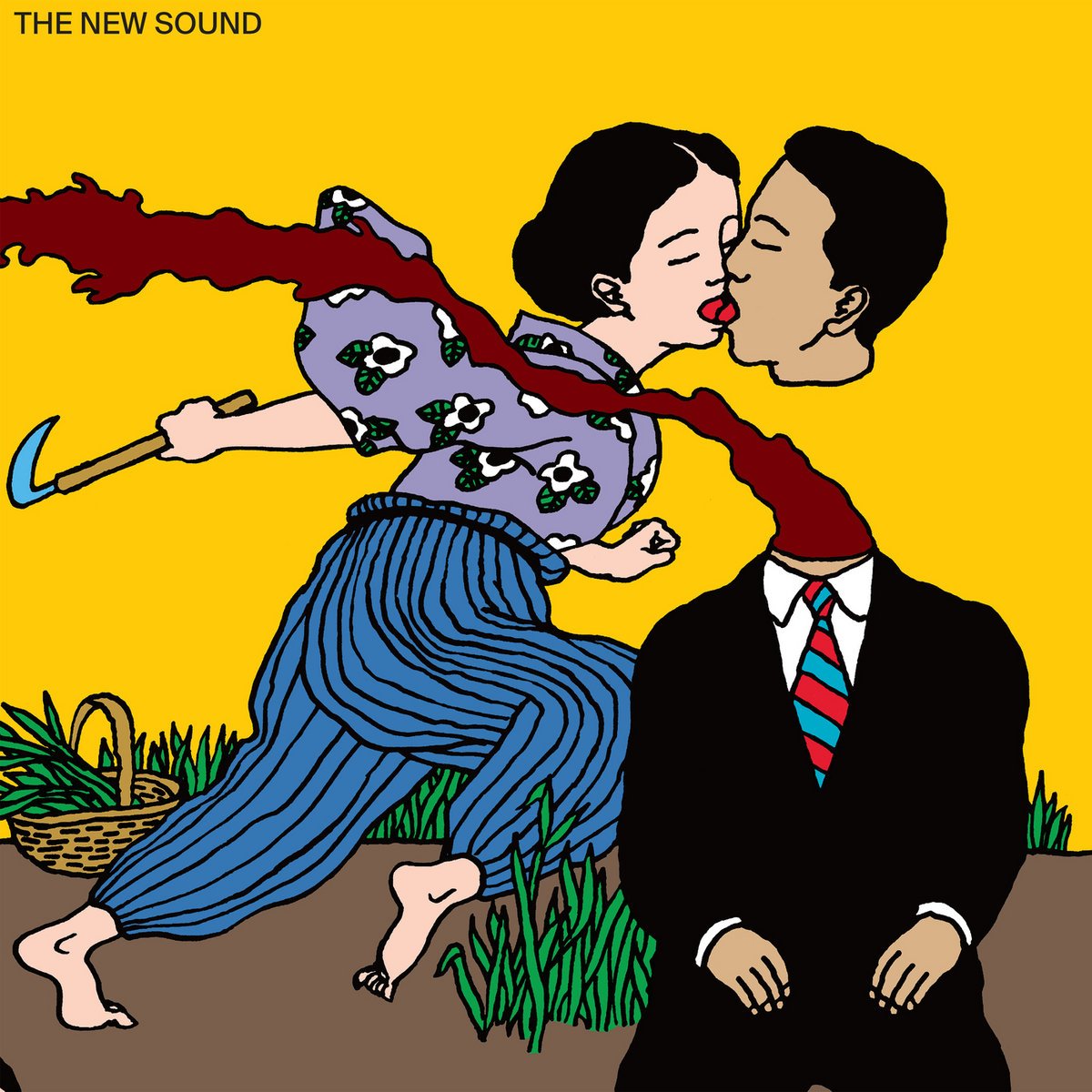
Frontman noise rockowej i eksperymentalnej kapeli Black Midi powraca z solowym debiutem. Generalnie to jest tak pokręcone w kwestii gatunkowej klasyfikacji, że nie wiem nawet jak to ugryźć. Projekt pionierski i ciekawy na absurdalnej liczbie frontów, o wiele bardziej uderzający w kierunek jaki reprezentował w swoim czasie na scenie rocka alternatywnego David Byrne i jego Talking Heads niż to co słyszeliśmy w katalogu Black Midi. Jest tu punk, jest tu jazz, jest tu muzyka etniczna, jest tu swobodna i szalona eksperymentacja. Całościowo coś w tym jest trudno jest mi jednak na tym etapie jeszcze doprecyzować co konkretnie. A i bajecznie to wszystko jest nagrane i zmiksowane.
Kamasi Washington ”Fearless Movement”
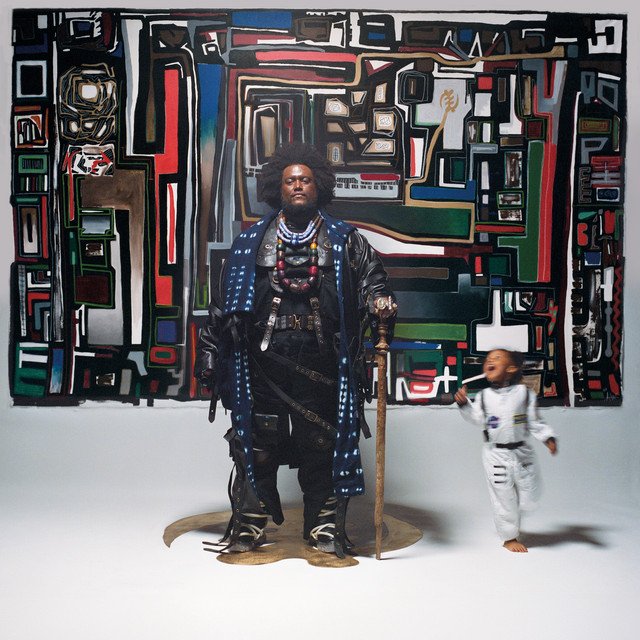
Ja w sumie nie wiem za dużo o jazzie poza znajomością klasycznych twórców z kanonu. Potrafię natomiast rozpoznać nowość i innowację kiedy ją usłyszę. No i w tym nowym albumie od saksofonisty z Los Angeles czuć to właśnie, jakąś taką wybitną lekkość i świeżość w lepieniu dźwięków. Fajne gościnne występy, chociażby Thundercat na ”Asha The First” albo Andre3000 z OutKast i jego magiczny kosmiczny flet na ”Dream State”. Ujmujący jazz skrojony pod obecne czasy.
Magdalena Bay ”Imaginal Disk”
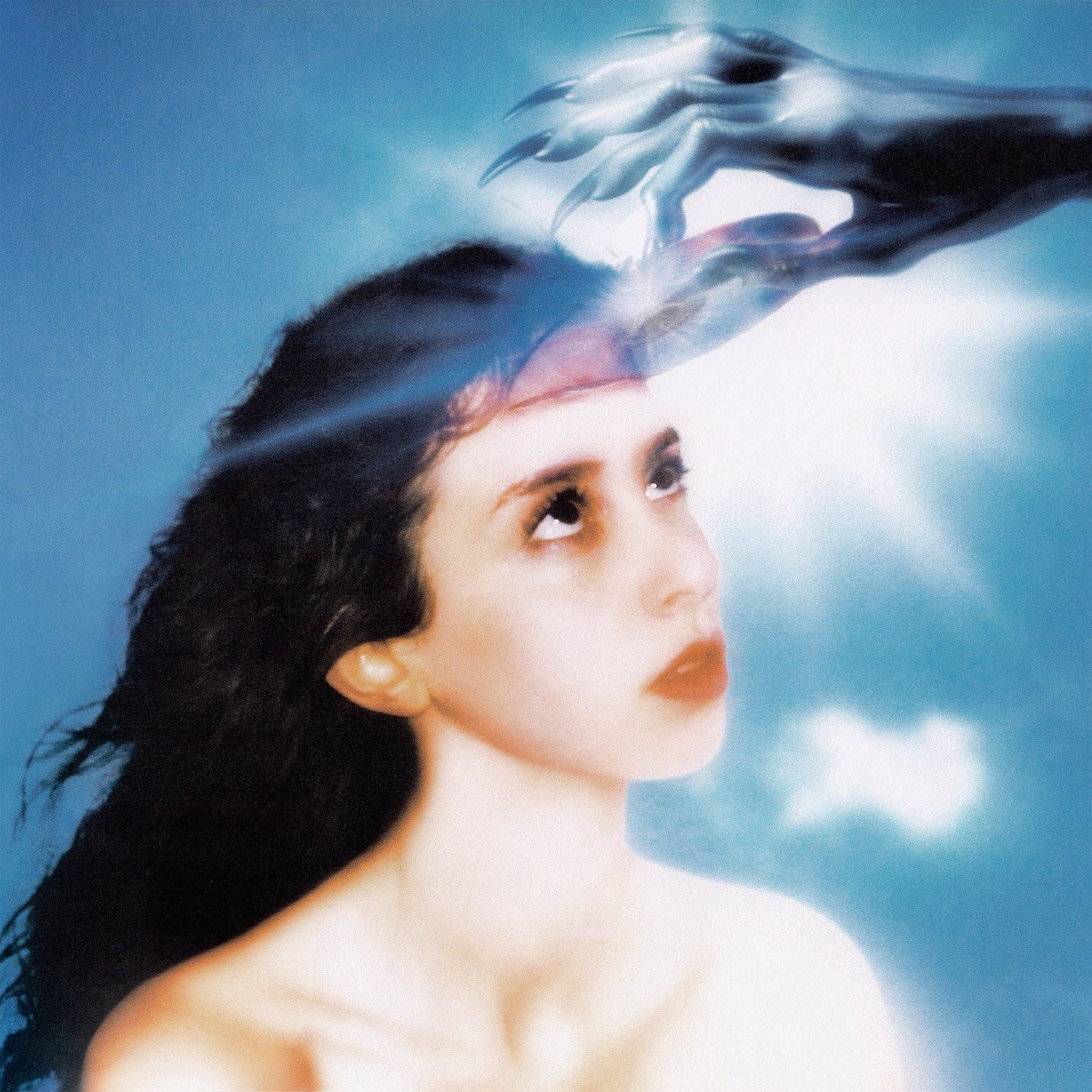
Absolutne magnum opus synth-popowego duetu z Miami. Wybitny w kwestii miksu i masteringu, ale także w kwestii samego songwritingu. Czuć w tym pewne inspiracje starą sceną disco, ale bez popadania w ślepą nostalgię, to wciąż bardzo autorski projekt który w trakcie 53 minut czasu trwania upchał absurdalną liczbę tanecznych hitów. Album który eksploruje wiele podobnych motywów co inne z tego zestawienia w szczególności naiwny optymizm który spaja to wszystko w tym szalonym świecie. Pod kątem konceptualnym bardzo unikalny i udany album.